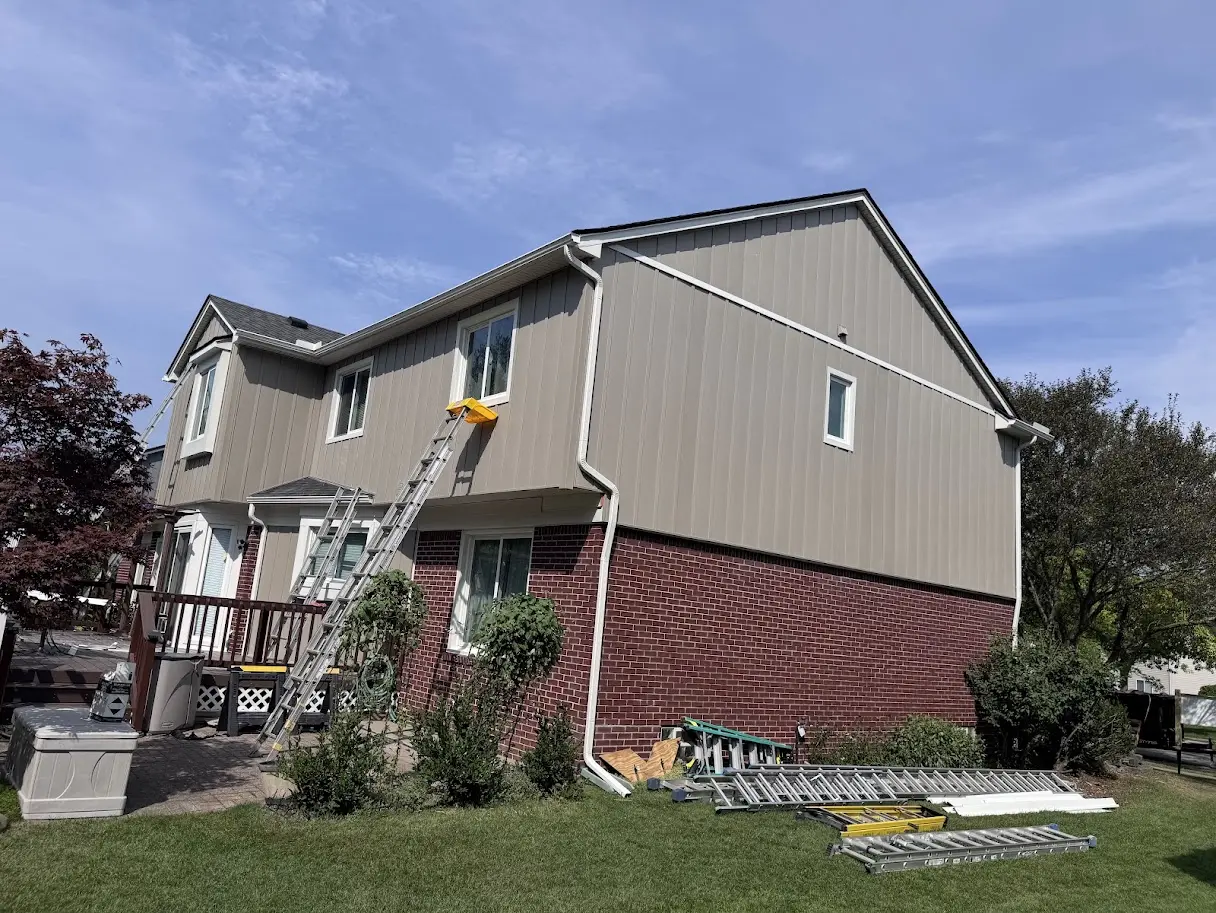
Finished siding gets the attention. Long-term performance depends on the inspection, water management, insulation, transitions, and installation details behind it.
Every home begins with different materials and existing conditions. Fuse reviews what is present, identifies areas that need attention, and coordinates the layers beneath the siding before they are covered.
Existing-condition review
Rigid foam or approved substrate preparation
Water-resistive barrier integration
Flashing, trim, and transition planning
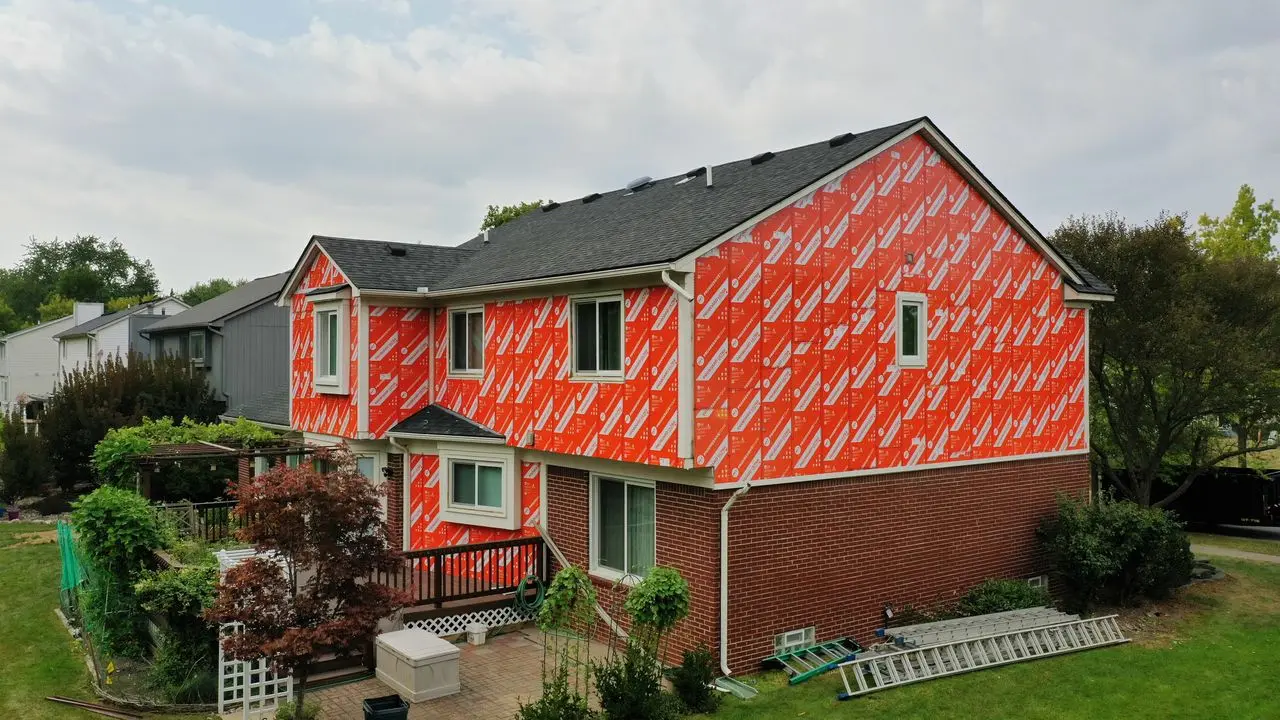
Continuous rigid-foam preparation across the exterior
01
A continuous exterior layer
Prepare a stable surface for the new siding
Before the finished cladding goes on, the wall assembly needs a sound, consistent surface. Continuous rigid foam can help create that plane while adding insulation. The appropriate preparation depends on the existing wall, the selected siding, and the project-specific assembly.
Rigid foam and window preparation
02
Openings and edges
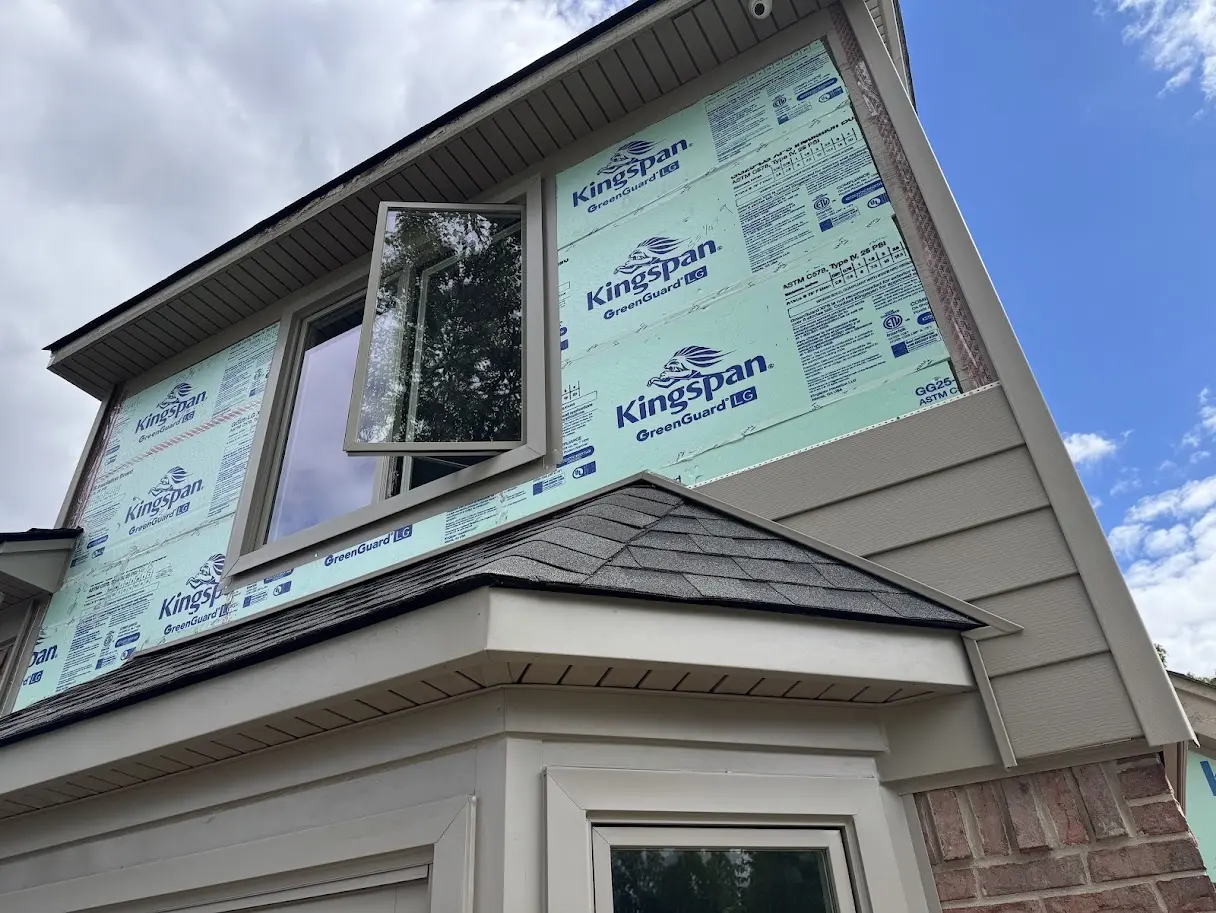
Fit the preparation carefully around windows
Windows, doors, corners, and penetrations interrupt the wall surface and require careful coordination. The insulation, water-resistive layer, flashing, trim, and siding must work together instead of being treated as separate details.
Roof-to-wall transition preparation
03
Transitions
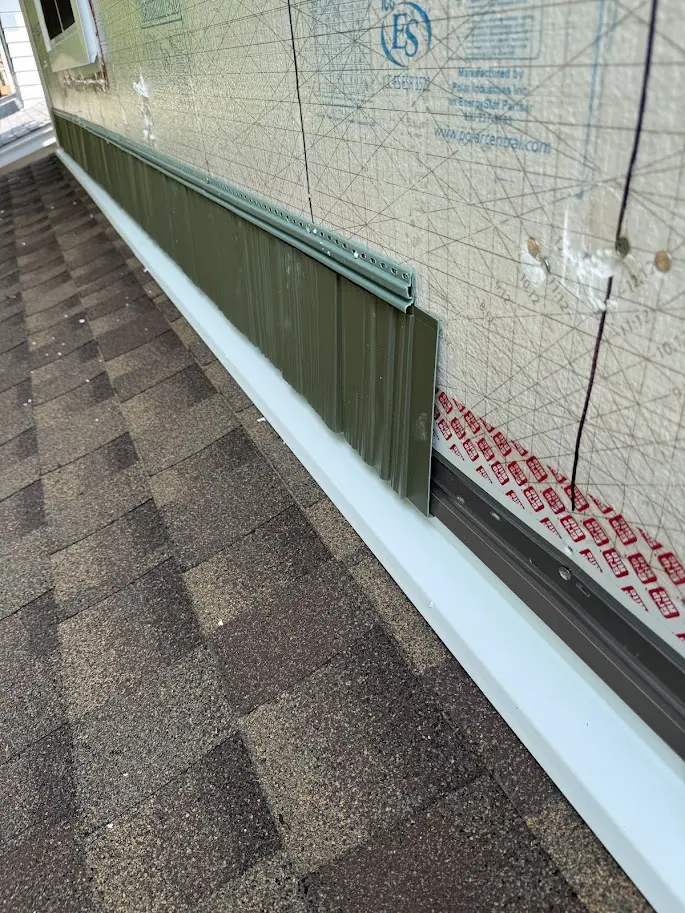
Pay close attention where walls meet roofs
Roof-to-wall transitions and other changes in material are vulnerable areas. We plan the sequence of the weather barrier, flashing, trim, and siding so water can drain outward and the finished materials have the clearances they need.
Housewrap, starter components, and siding sequencing
04
Installation sequence
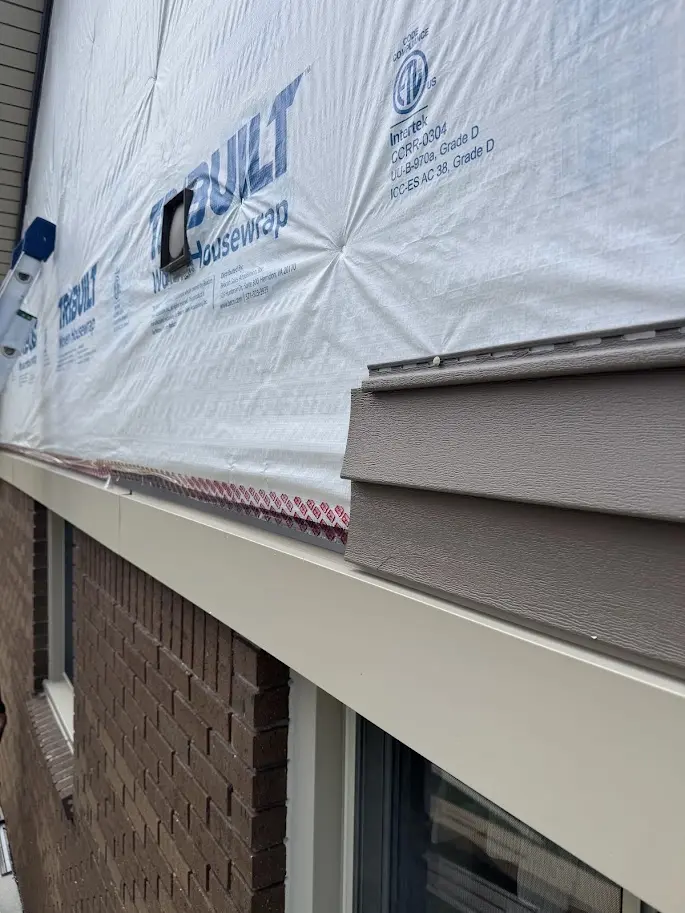
Establish the lower edge before building upward
Housewrap, lower-edge trim, starter components, and the first siding courses establish the alignment for the wall above. A deliberate installation sequence helps keep courses straight and preserves the drainage path behind the finished cladding.
Before the wall is covered
Review the details. Then install the finish.
Before cladding is completed, Fuse reviews the wall preparation, openings, transitions, starter alignment, and planned trim details. This gives the parts behind the siding the attention they deserve while they are still visible and accessible.